March is Colorectal Cancer Awareness Month, a time to highlight the importance of early detection and prevention. Colorectal cancer is one of the most common cancers in the United States, yet it is also one of the most preventable when caught early. For rural communities, where access to specialty care may require longer travel, awareness and timely screening are especially important.
The good news is that screening can detect colorectal cancer early when it is most treatable. In many cases, screening can even prevent cancer from developing at all.
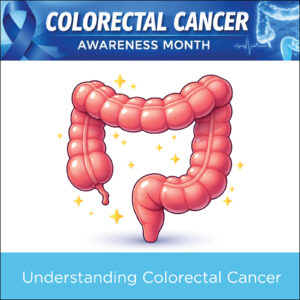
Understanding Colorectal Cancer
Colorectal cancer begins in the colon or rectum and often develops from small growths called polyps. These polyps may not cause symptoms at first, which is why screening is so important. Over time, some polyps can become cancerous.
While colorectal cancer can affect anyone, risk increases with age. Other risk factors include a family history of colorectal cancer, certain genetic conditions, inflammatory bowel disease, obesity, smoking, and a diet high in processed meats and low in fiber.
In rural areas, higher rates of chronic disease and lower screening rates can contribute to later-stage diagnoses. That makes prevention and education critical.
When Should You Get Screened?
Most adults at average risk should begin colorectal cancer screening at age 45. If you have a family history or other risk factors, your healthcare provider may recommend starting earlier.
There are several screening options available, including colonoscopy and stool-based tests. A colonoscopy allows providers to identify and remove polyps during the same procedure, which helps prevent them from developing into cancer. Your provider can help determine which screening method is right for you based on your health history and preferences.
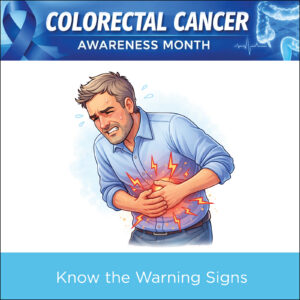
Know the Warning Signs
Although screening is essential, it is also important to recognize symptoms that should not be ignored. These may include:
- Changes in bowel habits
- Blood in the stool
- Persistent abdominal discomfort
- Unexplained weight loss
- Ongoing fatigue
If you experience any of these symptoms, contact your healthcare provider promptly.
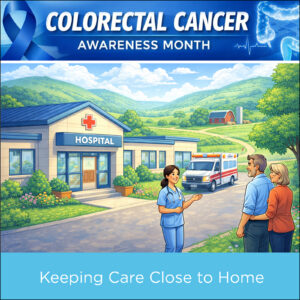
Keeping Care Close to Home
One of the biggest concerns in rural communities is access to specialty services. Many rural hospitals and clinics now offer colorectal screenings locally or coordinate care efficiently to minimize travel and delays.
Colorectal cancer is preventable and treatable when caught early. This March, take the opportunity to talk with your healthcare provider about screening. Encouraging family members and friends to do the same can make a life-saving difference.
Early detection is a commitment to protecting the health of our entire community.